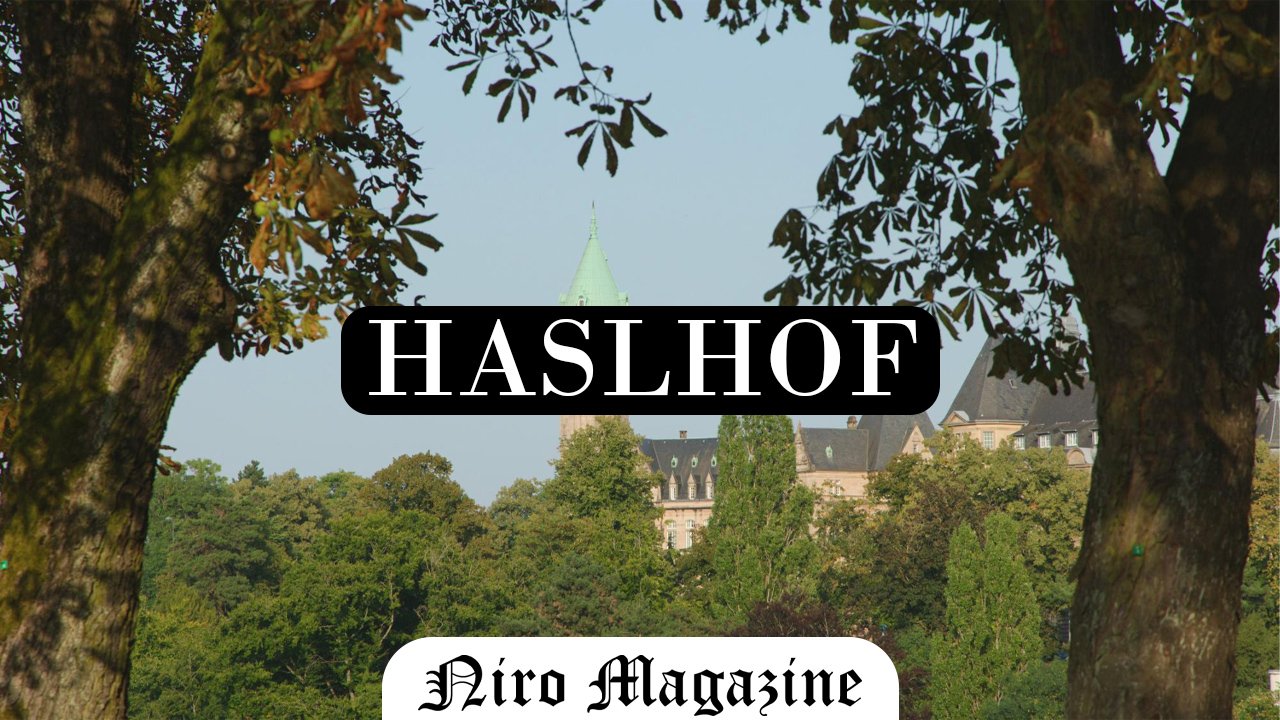
Haslhof is a traditional Jausenstation, a mountain farm restaurant, located high above the Vinschgau valley near Schlanders in South Tyrol, Italy, and it has become a favorite stop for hikers and cyclists exploring that part of the Alps. If you searched for this name because you are planning a trip to the region or simply came across it while researching local trails, this guide explains exactly what kind of place it is, where to find it, and what to expect when you get there.
By the end of this article, you will understand what a Jausenstation actually offers, how Haslhof fits into the surrounding hiking and biking network, and what practical details are worth knowing before you make the trip up the mountain. That context matters more than a bare address when you are planning a visit somewhere this remote.
What Is a Jausenstation?
A Jausenstation is a specific and well loved concept in South Tyrolean mountain culture, referring to a working farm that also serves simple, hearty food to visitors passing through, typically cured meats, local cheese, fresh bread, and other farm produced specialties. Unlike a full mountain refuge, a Jausenstation generally does not offer overnight accommodation, functioning instead as a day visit stop where hikers and cyclists can rest, eat, and take in the surrounding view before continuing their route.
This tradition reflects a broader Alpine practice of farms supplementing their income by welcoming travelers, and it gives visitors a genuine taste of regional food made from ingredients produced right on the property rather than shipped in from elsewhere. Haslhof follows this same established format, making it a recognizable and trusted type of stop for anyone already familiar with hiking culture in this part of Italy.
Where Is Haslhof Located Exactly?
Haslhof sits at an elevation of roughly one thousand five hundred seventy four meters on Monte di Tramontana, also known locally as Nördersberg, above the town of Silandro, called Schlanders in German, within the Val Venosta region, known in German as Vinschgau. This is a mountainous area in the western part of South Tyrol, itself part of the broader Alpine region of northern Italy near the Austrian and Swiss borders.
Because of its elevation and mountain setting, Haslhof is generally reached on foot, by mountain bike, or by a car suited to unpaved mountain roads, rather than through a straightforward drive on a paved highway. Anyone planning to visit should treat it as a proper mountain excursion rather than a quick roadside stop, and checking current route conditions before setting out is a sensible step given how much mountain access can vary with weather and season.
What Makes Haslhof Worth Visiting?
Beyond the food itself, the primary draw of Haslhof is its panoramic view over the Vinschgau valley below, a landscape of terraced vineyards, orchards, and small villages framed by the surrounding Alps. Reaching a spot like this after a hike or ride gives visitors a natural reward for the effort involved, and it is a big part of why Jausenstationen like this one remain popular destinations rather than simply convenient rest stops along a trail.
Haslhof also participates in South Tyrol’s regional sustainability certification scheme, which recognizes businesses that meet defined standards around waste prevention, conscious resource use, and clear communication about their practices. For travelers who care about supporting responsibly run mountain businesses, that kind of recognition is a meaningful signal beyond just the scenery and the food itself.
How Does Haslhof Connect to Local Hiking and Biking Routes?
Haslhof appears as a stop along recognized regional trail networks, including mountain biking routes that pass through the Vinschgau area and hiking stages connecting nearby huts and villages. This positioning within an established trail network is part of what makes it a practical, recognizable stop for visitors already following a mapped route through the region, rather than an isolated destination requiring a special trip of its own.
Cyclists and hikers exploring the broader Schlanders and Vinschgau area will likely encounter Haslhof as a natural resting point partway through a longer route, which is typical of how Jausenstationen are positioned throughout South Tyrol’s extensive network of Alpine trails.
What Should You Know Before Visiting?
Like most Jausenstationen in South Tyrol, Haslhof is likely to operate on a seasonal schedule, generally open during the warmer months when hiking and biking traffic through the mountains is highest, and it may close or limit hours during winter conditions when mountain access becomes more difficult. Because exact opening days and hours can vary from year to year and even week to week depending on weather, checking directly with the farm through its listed contact details or social media before making the trip is the most reliable way to confirm it will be open when you arrive.
Given its remote mountain setting, it is also worth planning your visit with appropriate footwear, water, and a reasonable weather buffer, the same preparation you would bring to any Alpine hike, rather than assuming easy, all weather access simply because a restaurant exists at the destination.
How Does Haslhof Compare to Other Jausenstationen in the Region?
South Tyrol is home to a large number of similar farm restaurants scattered across its mountain valleys, each with its own specific location, view, and menu built around whatever the surrounding farm produces. What distinguishes one Jausenstation from another is often less about the basic format, since most share the same general concept, and more about the specific setting, the quality and freshness of what is served, and how well it fits into whatever route a visitor happens to be following that day.
Haslhof’s position above Schlanders, with its clear view over the Vinschgau valley, gives it a distinct character compared to Jausenstationen located in narrower valleys or at lower elevations, and that specific combination of view and accessibility from established trails is part of why it shows up repeatedly in regional hiking and cycling route descriptions.
Why Do Travelers Search Specifically for Places Like This?
Travelers planning an Alpine hiking or cycling trip often search for specific named stops along their intended route well before departure, since knowing exactly where food and rest will be available shapes how a day’s itinerary gets planned. A named Jausenstation like Haslhof becomes a useful anchor point for that kind of planning, giving hikers and cyclists a concrete destination to aim for rather than an open ended stretch of trail with no clear resting point along the way.
This is also why accurate, specific information matters more for a place like this than for a typical restaurant in a city center, since a wrong assumption about opening hours or access conditions carries real consequences when the destination sits partway up a mountain with limited alternative options nearby.
What Kind of Food Can You Expect?
Consistent with the Jausenstation tradition, Haslhof’s menu centers on simple, farm sourced dishes rather than an extensive or elaborate restaurant style offering. Cured meats, local cheese, fresh bread, and other traditional South Tyrolean specialties are the typical staples at this kind of establishment, often served in generous, unfussy portions suited to hungry hikers and cyclists rather than plated for a formal dining experience. This straightforward, ingredient focused approach is part of the appeal for visitors seeking an authentic taste of the region rather than a generic restaurant menu.
Planning a Trip to the Vinschgau Region
If Haslhof is one stop on a broader visit to the Vinschgau valley, it is worth knowing that the surrounding area offers considerably more than this single mountain restaurant, including additional hiking and biking routes, small towns with their own local character, and other Jausenstationen worth exploring along the way. Building an itinerary around a few connected stops, rather than treating Haslhof as an isolated day trip, tends to make better use of the time and effort involved in reaching this part of the mountains in the first place.
Local tourism resources covering the broader region can help identify complementary stops and current trail conditions, which is especially useful for visitors unfamiliar with how South Tyrol’s Alpine trail network connects one valley to the next.
Where to Find Official Listings and Current Information
For the most current, reliable details about Haslhof, including its listing within the broader network of regional experiences, the official South Tyrol tourism board maintains a listing that includes its exact position within the regional trail network. A dedicated restaurant guide for the Silandro and Lasa area also covers Haslhof alongside other dining options in the immediate area, which is a useful reference if you are planning a longer stay in the Vinschgau valley rather than a single day trip focused only on this one stop.
Checking an official regional source directly, rather than relying only on a secondhand description, is generally the safest way to confirm details that can change from season to season, particularly for a small, remote establishment like this one that does not operate on the same predictable schedule as a restaurant in a larger town.
What to Pack for a Visit
Given the mountain setting, a few practical items make a visit to Haslhof considerably more comfortable. Sturdy footwear suited to uneven mountain terrain is essential, since the approach typically involves walking or cycling on unpaved paths rather than a smooth, level surface. Bringing enough water for the full trip, rather than assuming you can restock easily along the way, is a sensible precaution common to any Alpine excursion of this kind. A light layer for changing mountain weather is also worth packing, since temperatures and conditions at higher elevations can shift quickly even on a day that starts out clear and mild in the valley below.
Travelers unfamiliar with Alpine hiking in general may also want to review basic trail safety guidance before setting out, since a stop like Haslhof is only one part of a longer route that deserves the same preparation as any other mountain trail. A small offline map or a downloaded route file is worth having as well, since mobile signal in this part of the mountains can be inconsistent, and relying entirely on a live connection for navigation is a common and avoidable source of trouble for visitors unfamiliar with the terrain.
Conclusion
Haslhof is a genuine mountain farm restaurant above Schlanders in South Tyrol, offering simple, locally sourced food and a notable panoramic view over the Vinschgau valley to hikers and cyclists passing through the area. As a recognized stop within the region’s established trail network, it fits naturally into a broader day of hiking or biking rather than functioning as a standalone destination reachable by ordinary road travel.
If you are planning a visit, confirming current opening hours and route conditions directly before setting out will save you the disappointment of an unnecessary climb to a closed door, and pairing the stop with a wider look at the surrounding Vinschgau valley will make the most of a trip to this particularly scenic corner of the Alps.
Frequently Asked Questions
1. What kind of place is Haslhof?
It is a Jausenstation, a traditional South Tyrolean mountain farm restaurant serving simple, locally produced food to hikers and cyclists.
2. Where exactly is Haslhof located?
It sits above Schlanders, known locally as Silandro, in the Vinschgau valley of South Tyrol, Italy, at an elevation of roughly one thousand five hundred seventy four meters.
3. Can I stay overnight at Haslhof?
No, a Jausenstation like Haslhof typically offers food and rest during the day rather than overnight accommodation.
4. How do I get to Haslhof?
It is generally reached on foot, by mountain bike, or by a vehicle suited to unpaved mountain roads, as part of a broader hike or ride through the surrounding trail network.
5. Is Haslhof open year round?
Like most mountain farm restaurants in the region, it likely follows a seasonal schedule, so confirming current hours directly before visiting is recommended.