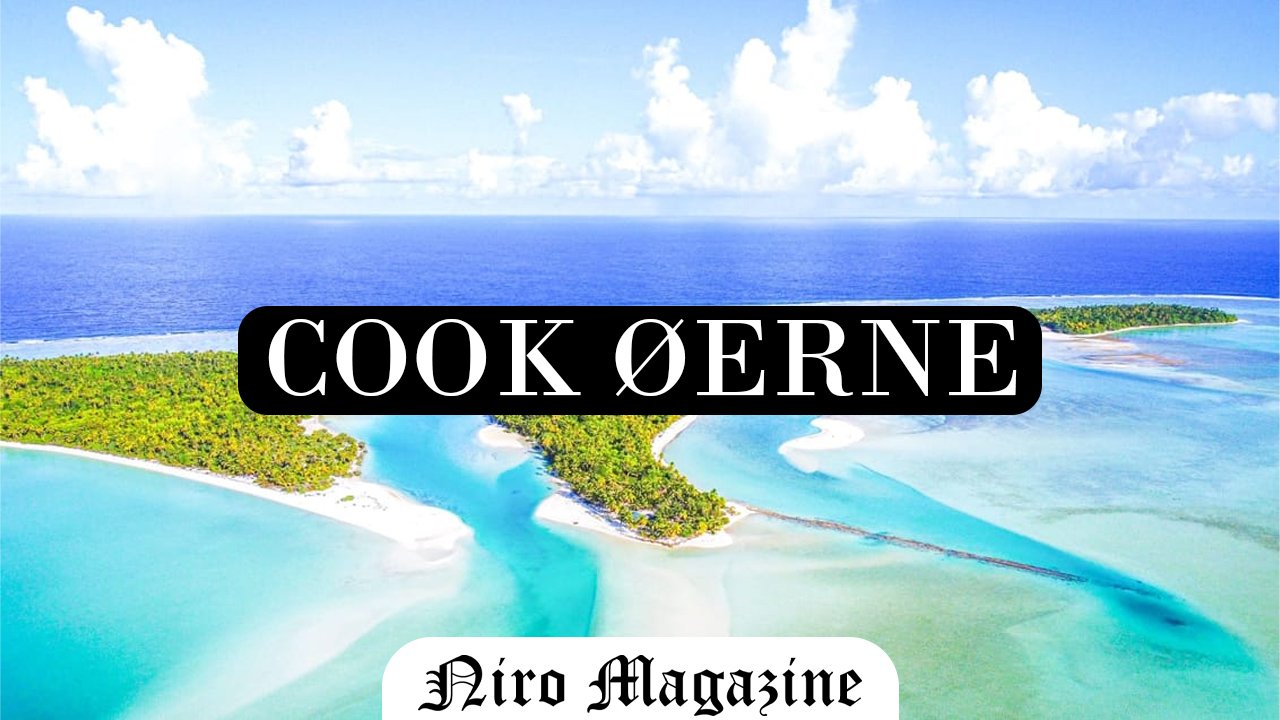
Cook øerne is the Danish name for the Cook Islands, a small nation of fifteen islands scattered across the South Pacific, and searching for this exact phrase usually means you are looking for basic, reliable information about the place itself rather than a separate topic entirely. This guide explains what the Cook Islands actually are, where they sit on the map, how the country is governed, and what makes it a distinctive destination worth understanding beyond a quick translation of its name.
By the end of this article, you will understand the Cook Islands’ location, its unusual political relationship with New Zealand, its economy, and its culture, giving you a genuinely useful foundation whether you are planning a visit, researching for a school project, or simply curious about a place you encountered under its Danish name.
Where Are the Cook Islands Located?
The Cook Islands sit in the South Pacific Ocean, part of the broader region known as Polynesia, positioned northeast of New Zealand and roughly between American Samoa and French Polynesia. The country consists of fifteen islands in total, spread across a vast stretch of ocean and divided into a northern group and a southern group, with most of the population concentrated in the southern islands.
The capital, Avarua, sits on Rarotonga, the largest and most populous of the fifteen islands, and functions as the country’s main hub for government, commerce, and international travel. Understanding this geography matters because the islands are spread across an enormous area of ocean relative to their small total land area, which shapes everything from travel logistics to how the country’s economy and infrastructure are organized.
What Is the Population of the Cook Islands?
According to the most recent census, the Cook Islands have a resident population of roughly fifteen thousand people, a relatively small number that reflects the country’s limited land area and remote Pacific location. Interestingly, considerably more people of Cook Islands descent live outside the country than within it, with a substantial diaspora community in New Zealand numbering in the tens of thousands, along with a smaller but significant community in Australia.
This pattern, a small resident population alongside a much larger diaspora abroad, is common among small Pacific island nations and reflects long standing migration patterns tied to economic opportunity, education, and family connections in larger neighboring countries.
How Is the Cook Islands Governed?
The Cook Islands operates as a constitutional monarchy and a parliamentary representative democracy, with a distinctive political status often described as self governing in free association with New Zealand. This means the Cook Islands manages its own domestic affairs and, since the early nineteen nineties, has had recognized capacity to conduct its own independent foreign relations, while maintaining a formal, cooperative relationship with New Zealand that dates back to when the country achieved self government in the mid nineteen sixties.
Cook Islanders hold New Zealand citizenship as part of this arrangement, which helps explain the large Cook Islands community living in New Zealand and contributes directly to the close, ongoing relationship between the two countries. New Zealand’s own foreign affairs resources provide official, current details about this relationship for anyone wanting to understand the specifics of how the arrangement actually functions.
What Drives the Cook Islands Economy?
Tourism dominates the Cook Islands economy, accounting for a substantial majority of the country’s gross domestic product, making it by far the most significant economic sector for the nation. Visitors are drawn to the islands for their beaches, coral reefs, and relatively uncrowded Pacific island atmosphere compared to some larger, more heavily developed tourist destinations in the region.
Beyond tourism, the Cook Islands economy also includes offshore banking services, along with exports such as pearls and other marine products, though none of these secondary industries come close to matching the scale of tourism’s contribution to the overall economy. This heavy reliance on a single sector is a common and sometimes precarious feature of small island economies more broadly, since it leaves the country’s finances closely tied to global and regional travel trends.
What Language Do People Speak in the Cook Islands?
English and Cook Islands Māori serve as the country’s official languages, with English widely used in government, business, and education, while Cook Islands Māori remains a central part of everyday life and cultural identity, particularly within local communities and traditional practices. On certain islands, additional local languages such as Pukapukan are also recognized and spoken, reflecting the linguistic diversity that exists even within a country as small in population as this one.
This coexistence of English alongside indigenous Pacific languages reflects a pattern common across many Pacific island nations that experienced periods of British or associated colonial influence while maintaining strong, ongoing connections to their own indigenous linguistic and cultural traditions.
What Environmental Considerations Matter for the Islands?
Like many small Pacific island nations, the Cook Islands faces real environmental pressures tied to its low lying coastal geography, including concerns about rising sea levels and the health of the coral reef systems that support both marine life and the tourism industry the country depends on so heavily. These are shared regional concerns rather than issues unique to the Cook Islands alone, and they factor into ongoing conservation efforts across the broader Pacific region as island nations work to protect the natural resources their economies and communities rely on.
Visitors interested in sustainable travel will find that responsible tourism practices, such as respecting marine protected areas and supporting locally owned businesses, matter more in a small island economy like this one than they might in a larger, more diversified destination, simply because the margin for environmental strain is considerably narrower.
What Is Cook Islands Culture Like?
Cook Islands culture reflects its broader Polynesian heritage, expressed through traditional arts such as tivaevae, an intricate form of appliqué and patchwork quilting passed down through generations, along with woodcarving and traditional weaving techniques used in both practical items and ceremonial contexts. Music and dance also play a significant, visible role in Cook Islands cultural life, often featured prominently during celebrations, community gatherings, and events aimed at visiting tourists interested in experiencing genuine Pacific island traditions.
This cultural richness, combined with the physical beauty of the islands themselves, is a major part of what draws visitors specifically to the Cook Islands rather than to other Pacific destinations, since the country has worked to maintain and showcase these traditions rather than letting them fade under the pressure of tourism development.
Why Might Someone Search Using the Danish Term Specifically?
Searching for “cook øerne” rather than the English “Cook Islands” typically suggests the searcher is using Danish as their primary language, whether they are planning a trip, researching the country for educational purposes, or encountered a reference to the islands in Danish language media or travel content. Since the Danish phrase is simply a direct translation rather than a separate term with its own distinct meaning, information about the Cook Islands in English applies equally well regardless of which language you originally used to search for it.
This kind of direct translation search pattern is common for less widely known countries and destinations, where a searcher’s native language version of the name may not consistently return the same volume or quality of information as the English language name does.
What Should Travelers Know Before Visiting?
For anyone considering an actual trip, it helps to know that the Cook Islands’ remote South Pacific location generally means longer and less frequent flight connections compared to more heavily trafficked tourist destinations, so advance planning around flight availability is particularly important. Rarotonga serves as the main international gateway, with most visitors basing their trip around this island before potentially exploring some of the other, smaller islands in the group depending on their specific interests and how much time they have available.
Given the country’s strong reliance on tourism, travelers are also likely to find a well developed hospitality infrastructure on the main islands, even though the overall scale remains considerably smaller and less commercialized than what visitors might expect from larger, more internationally developed island destinations.
How Does the Cook Islands Compare to Other Pacific Nations?
The Cook Islands’ free association status with New Zealand sets it apart from many neighboring Pacific nations that are either fully independent or remain formal territories of a larger country. This particular arrangement gives the Cook Islands a level of practical autonomy alongside meaningful support and connection through its relationship with New Zealand, a middle path that differs both from full independence and from a more dependent territorial status seen elsewhere in the region.
Understanding this distinction is useful context for anyone comparing the Cook Islands to other well known Pacific destinations, since the country’s political status directly shapes everything from its currency and legal system to the ease with which its citizens can live and work abroad.
What Should You Know About Getting There?
Reaching the Cook Islands typically involves connecting through one of a small number of regional gateway airports, since the country’s remote South Pacific position means it is not served by the kind of direct, frequent flight network available to more centrally located destinations. Most international visitors fly into Rarotonga, and travelers coming from Europe, including Denmark, should generally expect at least one, and often two, connecting flights along the way, making advance planning and flexible scheduling especially useful for anyone piecing together the full journey.
Checking current route information well before booking is a practical step, since flight schedules to smaller Pacific destinations can change more frequently than routes to larger, higher traffic hubs, and availability during peak tourist seasons can fill up considerably faster than travelers accustomed to larger destinations might expect.
How Has Tourism Shaped Development on the Islands?
Given how heavily the Cook Islands economy depends on tourism, the sector has shaped much of the country’s visible development, particularly on Rarotonga, where most hotels, restaurants, and visitor services are concentrated. This concentration means visitors interested in exploring the outer, less developed islands should expect a noticeably different experience, often with far fewer amenities and a more limited range of accommodation and transportation options compared to the main island.
This uneven development pattern is fairly typical of small Pacific nations where a single main island functions as the practical hub for both government and tourism infrastructure, while the surrounding smaller islands retain a considerably quieter, more traditional character shaped less directly by the visitor economy.
A Brief Look at the Islands’ History
The Cook Islands take their English name from the British explorer Captain James Cook, who charted the islands during his Pacific voyages in the eighteenth century, though the islands themselves were originally settled by Polynesian voyagers many centuries earlier. This long history of Polynesian settlement, followed later by European contact and eventually a formal relationship with New Zealand, has shaped the layered cultural and political identity the country holds today, blending deep indigenous tradition with the practical realities of a small nation’s modern political arrangements.
Understanding this history adds useful context to why the country’s culture, language, and governance look the way they do today, rather than treating the current arrangement as an isolated fact disconnected from the centuries of history that produced it. A detailed, well sourced overview of this history is available through Britannica’s entry on the Cook Islands, which is a reliable reference for anyone wanting a deeper account beyond the summary covered here.
Conclusion
Cook øerne, the Danish name for the Cook Islands, refers to a small but culturally rich South Pacific nation of fifteen islands, defined by its self governing relationship with New Zealand, its tourism dependent economy, and its strong Polynesian cultural traditions. Understanding the country under its English name opens up considerably more information than searching the Danish translation alone typically returns.
Whether you are planning a visit, researching for a project, or simply satisfying curiosity about an unfamiliar name, the Cook Islands offers a distinctive combination of remote Pacific geography, an unusual political arrangement, and a culture that has remained vibrant despite the country’s small size and population.
Frequently Asked Questions
1. What does cook øerne mean in English?
It is the Danish name for the Cook Islands, a South Pacific island nation located northeast of New Zealand.
2. Is the Cook Islands an independent country?
It is self governing in free association with New Zealand, meaning it manages its own domestic and foreign affairs while maintaining a close, formal relationship with New Zealand.
3. What is the capital of the Cook Islands?
Avarua, located on Rarotonga, the largest and most populous of the country’s fifteen islands.
4. What language do people speak in the Cook Islands?
English and Cook Islands Māori are the official languages, with some smaller islands also recognizing additional local languages.
5. What is the main industry in the Cook Islands?
Tourism dominates the economy, accounting for the large majority of the country’s gross domestic product.