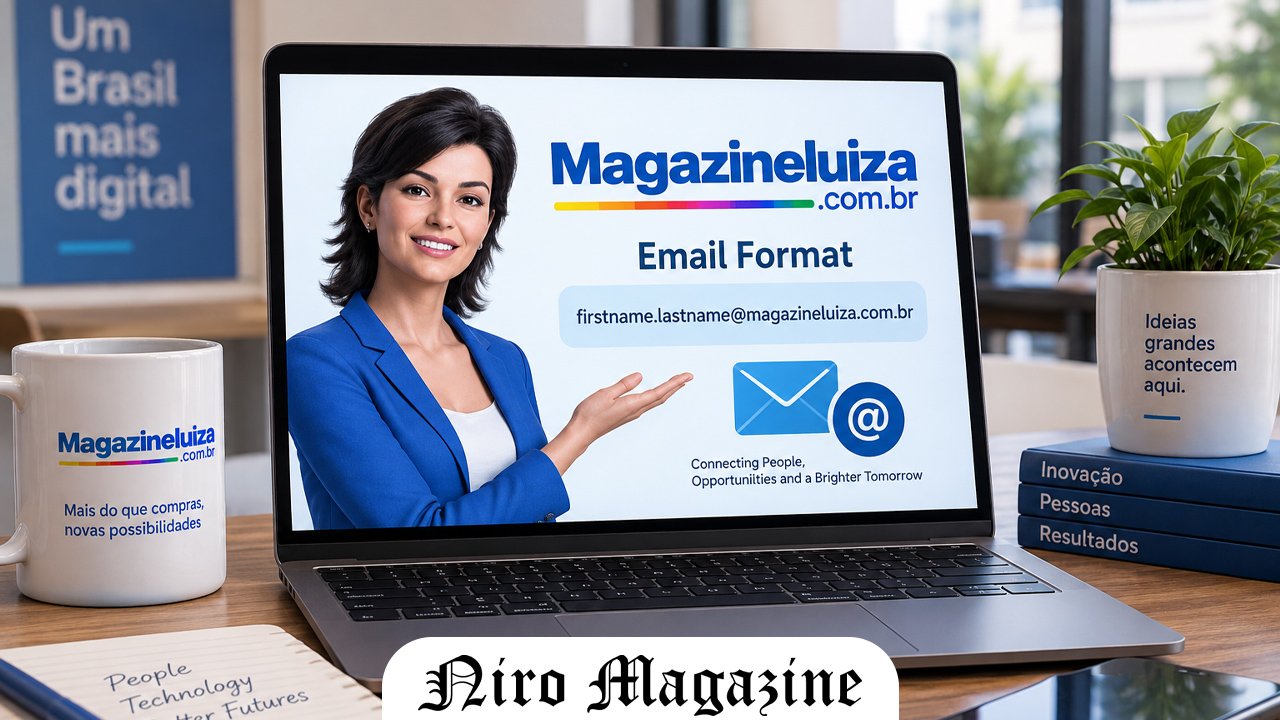
Magazineluiza.com.br email format is something sales professionals, recruiters, and business partners search for when they need to reach someone at Magazine Luiza, one of the largest retail companies in Brazil. If you are trying to contact a specific department or professional there for a legitimate business reason, this guide explains the common corporate email conventions large Brazilian companies like this one typically use, along with the responsible way to approach outreach so you stay on the right side of anti spam rules.
By the end of this article, you will understand the most common email format patterns used across large companies, how to apply that knowledge responsibly when contacting Magazine Luiza specifically, and what legal considerations apply when reaching out to contacts in Brazil. That context matters as much as the format itself if you want your outreach to actually work.
What Is Magazine Luiza?
Magazine Luiza, often shortened to Magalu, is one of the largest retail and e commerce companies in Brazil, with a large corporate workforce spread across departments including sales, logistics, marketing, technology, and customer service. Companies of this size typically follow a standardized, predictable email naming convention across the entire organization, which is exactly why tools built around guessing or verifying corporate email formats have become a common part of professional sales and recruiting research.
What Are the Most Common Corporate Email Formats?
Large companies generally choose from a small handful of standard naming patterns when assigning employee email addresses, and Magazine Luiza follows this same general convention seen across most major corporations. The most frequently used pattern across large Brazilian and international companies is first name followed by a period and last name, such as firstname.lastname at the company domain. Other common variations include first initial combined with last name, full first name paired with only the first initial of the last name, or in some organizations, first name alone for smaller departments with fewer naming conflicts.
Because a single company almost always sticks to one dominant pattern across its entire workforce, learning that one pattern is usually enough to make an educated, reasonable guess about how a specific person’s address is likely structured, though confirming it through a legitimate verification method remains the more reliable approach.
Why Do Businesses Search for This Information?
Professionals search for a specific company’s email format for a range of legitimate business reasons. Sales representatives use it to reach a specific decision maker after already establishing that their product or service is relevant to that person’s role. Recruiters use it to contact a candidate they found through a professional network like LinkedIn. Journalists and business partners use it to reach a specific department for a story, a partnership inquiry, or a vendor relationship. In each of these cases, the underlying goal, similar to how any business publication approaches its own readers, is targeted, relevant outreach rather than mass, unsolicited contact.
How to Verify an Email Format Responsibly
Rather than sending a message to a guessed address and hoping it lands correctly, a few responsible verification steps improve accuracy while reducing the chance of your message bouncing or being flagged as spam. Checking a company’s official press releases or public facing team pages sometimes reveals a real, published email address that confirms the pattern directly. Professional outreach platforms built specifically for this purpose can validate whether a guessed address is active before you send anything to it, which avoids wasted outreach and protects your own sender reputation. Reaching out through a shared professional connection for a warm introduction remains one of the most effective alternatives to cold guessing entirely.
What Legal Rules Apply to Business Outreach in Brazil?
Since Magazine Luiza is a Brazilian company, outreach involving its employees falls under Brazil’s data protection framework, the Lei Geral de Proteção de Dados, commonly known as LGPD. This law governs how personal data, including something as simple as a name paired with an email address, can be collected, stored, and used for business purposes. Legitimate business to business outreach generally has a recognized legal basis under LGPD, but that basis depends on factors like the relevance of your outreach to the recipient’s professional role and whether you offer a clear, easy way to opt out of further contact.
If your outreach targets recipients in the United States as well, the CAN SPAM Act sets its own requirements, including honest subject lines, a valid physical address, and a functioning opt out mechanism in every commercial message. Understanding both frameworks matters if your outreach crosses borders, which is common when reaching a large international retailer like Magazine Luiza.
Common Mistakes to Avoid
A few mistakes tend to undermine outreach campaigns built around guessed email formats. Sending the exact same generic message to a large batch of guessed addresses without any personalization tends to trigger spam filters and damages your sender reputation over time. Ignoring bounce rates rather than pruning a list of addresses that repeatedly fail to deliver can eventually get your own domain flagged by major email providers. Failing to include a clear way for a recipient to opt out of further messages creates both a compliance risk and a poor impression of your business.
How to Improve Your Outreach Success Rate
Beyond simply getting the format right, a few practices meaningfully improve how well your outreach performs once it actually reaches an inbox. Personalizing your first line with something specific to the recipient’s role or recent company news signals that your message was not sent to hundreds of people at once. Keeping your message short and focused on a single, clear ask respects the recipient’s time and increases the odds of an actual reply. Following up once, politely, after a reasonable gap tends to perform far better than repeated, frequent messages sent without any response.
Is Guessing an Email Format Ethical?
Reasonable, professional outreach based on a publicly known corporate naming convention sits differently than scraping private data or attempting to bypass a company’s actual security measures. Using a known, standard naming pattern to make an educated, single guess for a legitimate business purpose is a widely accepted practice across sales, recruiting, and journalism. The ethical line generally falls at volume and intent, a single, relevant, well targeted message differs meaningfully from a mass, unsolicited campaign sent to guessed addresses with no real personalization or clear purpose behind it.
Alternatives to Email Outreach Worth Considering
Email is not always the fastest or most effective way to reach someone at a large company, and it is worth weighing a few alternatives depending on your specific goal. Professional networking platforms allow you to send a direct message alongside a visible profile, which often builds more trust than a cold email from an unfamiliar address. Company contact forms, while sometimes slower, guarantee your message reaches an actual monitored inbox rather than a guessed address that may or may not be active. For urgent business matters, a phone call to a company’s general corporate line, requesting to be transferred to the correct department, can sometimes resolve things faster than any written message.
What to Do if Your Message Bounces
A bounced message usually means either the guessed format was incorrect or the specific person no longer holds that role at the company. Rather than immediately trying several format variations against the same person, which can look suspicious to spam filtering systems, it is generally better to try an alternative verified channel, such as a professional networking platform, before sending additional guesses to the same domain.
How Sales and Recruiting Tools Handle This Information
A whole category of professional tools exists specifically to help sales and recruiting teams work with email format patterns responsibly and at scale. These platforms typically maintain databases of confirmed formats across thousands of companies, built from a combination of publicly available data and pattern recognition across previously verified addresses. Rather than manually guessing, a sales or recruiting professional can look up a target company once, confirm the dominant pattern, and then apply that same, already validated format across a list of contacts at that same organization.
Using a tool like this generally produces more accurate results than manual guessing alone, since these platforms often cross reference multiple signals, such as bounce data from previous outreach campaigns, to continuously refine their confidence in a given company’s actual pattern over time.
Common Reasons People Search for This Specific Format
A few recurring situations explain why someone searches for a specific company’s email format rather than a general explanation of corporate naming conventions. A salesperson may have already identified a specific decision maker through a professional network and simply needs a reasonable way to reach them directly. A job seeker interested in Magazine Luiza specifically might be trying to follow up after an application submitted through a general careers portal that offered no direct contact. A journalist or researcher covering the retail or e commerce industry in Brazil might need to reach a specific spokesperson or department for comment.
Recognizing your own specific reason for searching can help you choose the most appropriate and respectful outreach method, since a job seeker following up on an application warrants a noticeably different tone and approach than a sales representative introducing a brand new product.
Conclusion
Magazine Luiza, like most large corporations, follows a standardized email naming convention across its workforce, most commonly some variation of first name and last name combined at the company domain. Understanding that general pattern, combined with responsible verification steps and awareness of data protection rules like Brazil’s LGPD, allows for effective, professional outreach without crossing into spam territory.
Whether you are in sales, recruiting, or building a business partnership, the most successful outreach combines a reasonable, informed guess at the correct format with genuine personalization and respect for the recipient’s time. That combination will consistently outperform any purely mechanical approach to reaching contacts at a company this size, especially over the long run as your sender reputation builds.
Setting Realistic Expectations
A guessed email format, even a highly accurate one, is still a guess rather than a confirmed fact. Even the best professional verification tools occasionally return an outdated or incorrect result, since employees change roles, leave companies, or use alternate addresses for certain purposes. Treating any guessed or tool verified address as a strong probability rather than a certainty helps you approach outreach with the right level of caution, and it explains why a thoughtful, professional message matters more than the format itself when it comes to actually getting a response.
For most legitimate business purposes, combining a reasonable understanding of common corporate naming patterns with genuine, relevant outreach will get you considerably further than either guessing blindly or refusing to reach out at all.
Frequently Asked Questions
1. What is the most common email format used by large companies like Magazine Luiza?
The most frequent pattern is first name followed by a period and last name at the company domain, though variations using initials are also common.
2. Is it legal to email someone at Magazine Luiza using a guessed address?
Legitimate, relevant business outreach generally has a recognized legal basis under Brazil’s LGPD, provided the message is relevant and includes a clear opt out option.
3. How can I verify a guessed email address before sending a message?
Checking official company pages for published addresses or using a dedicated email verification tool can confirm an address is likely valid before you send anything.
4. What should I do if my outreach message bounces?
Try an alternative verified channel, such as a professional network, rather than repeatedly guessing different format variations against the same recipient.
5. Does the CAN SPAM Act apply to outreach sent to a Brazilian company?
It applies specifically to commercial messages sent to recipients in the United States, so it matters most if your outreach also targets contacts there in addition to Brazil.