Masgonzola is a name that has begun appearing across a handful of unrelated websites, generally presented as a new or emerging cheese with a name that sounds like a play on the well known Italian cheese gorgonzola. If you searched for it hoping to find a real cheese you could actually buy, this guide gives you an honest account of what actually exists behind the name, based on a careful reading of the sources describing it rather than repeating their claims at face value.
By the end of this article, you will understand what the articles about Masgonzola actually say, why none of them can point to a real producer or place to buy it, and what that gap reveals about how content like this typically gets produced. That honest picture is worth more than another appealing sounding description of a cheese that does not appear to actually exist anywhere, and it gives you a practical way to evaluate the next unfamiliar food term you come across.
What Do the Articles About Masgonzola Claim?
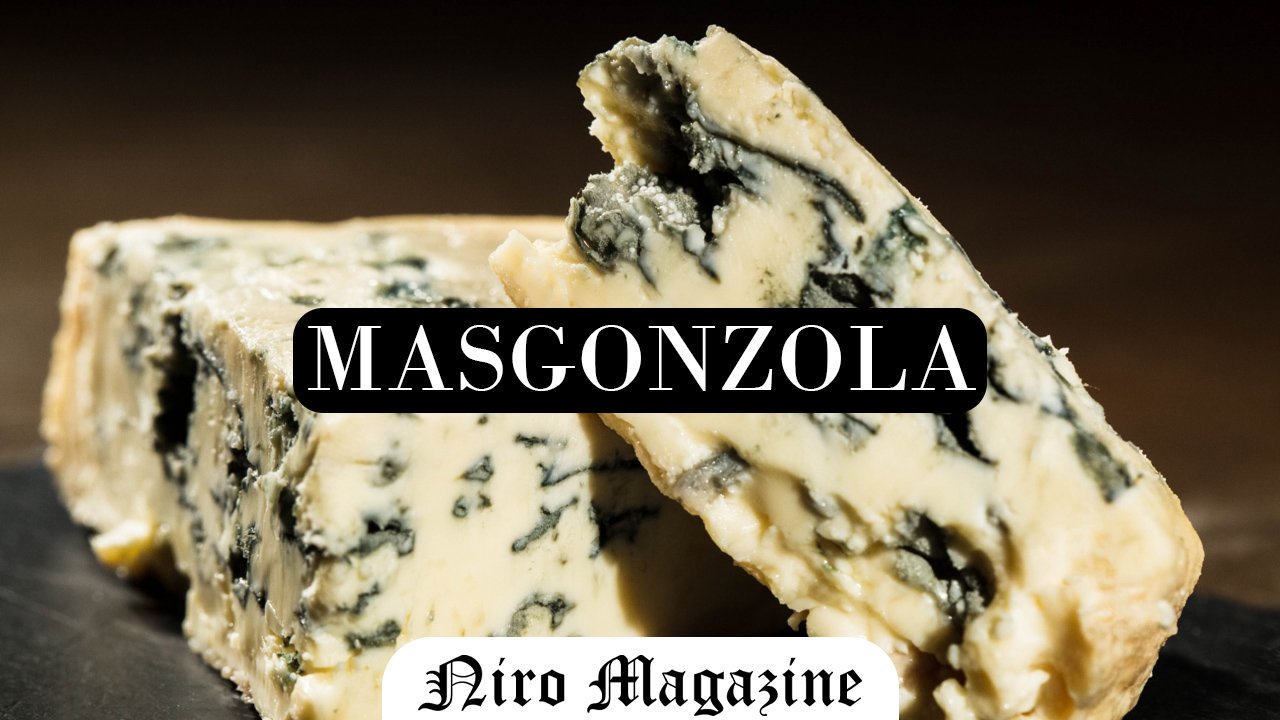
The sites describing Masgonzola generally frame it as an interesting or emerging cheese, sometimes drawing an explicit connection to gorgonzola, the well known Italian blue cheese, and sometimes describing it in broader, less specific terms as a wellness or nutrition related innovation instead. None of these articles agree with each other on whether Masgonzola is fundamentally a food product or something closer to a general health trend, and none of them name a specific cheese maker, dairy, region, or company responsible for producing it.
This kind of disagreement, spanning categories as different as a specific artisan food product and a general wellness concept, is one of the clearest signals that no single, verified definition actually exists behind the term.
Is Masgonzola a Real Cheese You Can Buy?
Based on everything available, there is no evidence of an actual cheese producer, dairy, or company manufacturing a product under this name with any public business registration, verifiable retail listing, or customer reviews describing an actual purchase or taste experience. None of the articles link to a working retailer, a specific farm or creamery, or a food industry publication confirming the product’s actual existence on any store shelf or specialty cheese counter. Genuine artisan and specialty cheeses, even small, regional ones, typically leave a verifiable trail, whether that is a local business listing, a photo from an actual customer, or coverage from a food and beverage publication describing a real tasting.
Where Did This Term Come From?
Understanding how a word like Masgonzola ends up with several vague, inconsistent explainer articles requires understanding a specific corner of the content publishing world. Some websites are built around producing large volumes of articles quickly, often responding to whatever terms are generating search interest, regardless of whether those terms refer to anything real. A name that closely resembles a well known, established cheese, in this case gorgonzola, carries particular appeal for this kind of content, since it sounds immediately plausible to a reader without requiring any real product behind it.
Because none of these sites are working from a shared, verified source, each one tends to invent its own vague description rather than naming anything concrete enough to actually check, whether that is a specific producer, a retail location, or an independent food industry review.
How Can You Spot This Pattern Yourself?
A few consistent warning signs show up around fabricated food and product terms like this one. The name closely resembles a well known, established product, borrowing plausibility from something genuinely familiar. None of the articles name a specific producer, retailer, or place you could actually go buy the product. The writing uses appealing, descriptive language about flavor or quality without ever getting specific enough to be checkable. A basic search for a business registration, trademark filing, or independent food industry coverage turns up nothing beyond the explainer articles themselves.
Learning to recognize this pattern, especially the specific tactic of borrowing plausibility from a genuinely well known product name, protects you from assuming a trendy sounding food term reflects an actual product you could go find and purchase.
Why Does This Matter for Search Results?
Search engines are generally built to surface pages that seem to answer a query, and when enough pages exist making similar sounding claims about a term, those pages can rank reasonably well even without any underlying substance. Google has published its own guidance on what it considers genuinely helpful content, emphasizing information written for real people with real expertise rather than content produced primarily to attract search traffic. A term like Masgonzola is a useful case study in exactly the kind of content that guidance is meant to address, since it demonstrates how fabricated content can borrow credibility from a genuinely familiar product name to seem more plausible than it actually is.
What Should You Do if You Wanted to Try a Cheese Like This?
If you are genuinely interested in trying gorgonzola or a similar style blue cheese, plenty of real, well documented options already exist under their own established names, available through specialty cheese shops, well stocked grocery stores, and online retailers with verifiable business details and genuine customer reviews. Searching for gorgonzola specifically, or for blue cheese varieties more generally, will connect you with real products you can actually purchase and taste, rather than a name still circulating only across a handful of vague, similarly worded articles.
Similar Terms Worth Knowing About
Masgonzola is not an isolated case. Other invented terms follow this exact same pattern, sometimes by borrowing credibility from a genuinely well known product or brand name to make an entirely fabricated term seem more plausible. Recognizing the broader pattern, rather than treating each individual term as a one off curiosity, makes it considerably easier to evaluate any new, unfamiliar food or product name you encounter online going forward.
How to Evaluate Any Unfamiliar Food Product Term Going Forward
When you come across an article describing an unfamiliar food product, a few quick checks help you separate genuine, purchasable products from speculative or invented ones. Look for a specific, named producer or retailer behind the product, along with a real, working way to actually order or find it. Check whether independent food industry publications with an established reputation have covered the same product, rather than relying on a single article or a handful of similarly structured blog posts. Notice whether the language describing the product stays vague and generic or gets specific about where, exactly, you could go find it on a shelf or menu.
Why This Kind of Content Keeps Appearing
It helps to understand the economics behind why terms like Masgonzola keep generating new articles even after the pattern becomes obvious. Publishing content is inexpensive, and a website that produces dozens or hundreds of articles a month can afford to write about a wide range of speculative or trending sounding food terms, knowing that even a small fraction of them will attract meaningful search traffic from curious readers. A name that closely echoes a well known product carries particular appeal for this kind of content, since it captures search interest from people already familiar with, and curious about, the original product it resembles.
What Genuine Food Journalism Looks Like by Comparison
For comparison, it helps to see what genuine coverage of a new or emerging cheese actually includes, since the gap becomes clear fairly quickly. A real specialty food product is typically covered by publications with an established food and beverage focus, often including an interview with the actual producer, details about the production process, and specific information about where the product is sold. General consumer protection guidance also emphasizes checking for verifiable business details before trusting any product claim, a standard that applies just as well to an unfamiliar food product as it does to any other kind of unverified online claim.
None of the current Masgonzola articles include any of this concrete, checkable detail, relying instead on general, appealing language about flavor and quality that could apply to almost any hypothetical cheese without needing to name anything specific at all.
Why Food and Product Names Are a Common Target for This Pattern
Food and product names are a particularly common category for fabricated content, since curious readers interested in trying something new are a naturally receptive audience for an article promising to explain an unfamiliar but appealing sounding product. A name that closely echoes something already familiar, like a well known cheese, fills a gap in search behavior that a genuinely established product would not offer as easily, since search interest in a plausible sounding variation is often high relative to how little verified information actually exists about it. The tradeoff is that readers may walk away believing they have learned about a real product when they have actually encountered speculative content with nothing behind it.
Conclusion
Masgonzola does not correspond to any verifiable cheese, producer, or purchasable product, despite a handful of articles describing it in appealing but vague language that borrows credibility from the well known cheese gorgonzola. The underlying category, blue cheese in the gorgonzola style, is a real and widely available product, but no reliable evidence supports Masgonzola itself as an actual, distinct product under that specific name.
If you were hoping to find and try a cheese under this name, the honest answer is that no verifiable producer currently offers one. Searching for gorgonzola or blue cheese directly will get you a real, purchasable product with verifiable retailers and reviews, rather than a speculative term still circulating only across a handful of similarly worded articles with nothing you could actually order.
Setting Realistic Expectations for This Guide
This article cannot point you to a hidden, real Masgonzola producer waiting to be discovered, because the available evidence simply does not support that conclusion. What it can offer is an honest reading of what the existing articles about Masgonzola actually say, along with the tools to recognize the same pattern the next time a catchy new food term appears across a small cluster of similarly structured blogs.
Frequently Asked Questions
1. Is Masgonzola a real cheese I can buy?
No verifiable producer, retailer, or business registration was found supporting the existence of a real product under this name.
2. What do the articles describing Masgonzola actually claim?
They describe it inconsistently, sometimes as a cheese related to gorgonzola and sometimes as a general wellness or nutrition trend, without naming a specific producer.
3. Why does the name sound so familiar?
It closely resembles gorgonzola, a well known Italian blue cheese, which likely explains why the fabricated name sounds immediately plausible.
4. Where can I buy a real cheese similar to what Masgonzola describes?
Search for gorgonzola or blue cheese directly through specialty cheese shops, grocery stores, or online retailers with verifiable reviews.
5. Should I trust an article that confidently describes Masgonzola as a real cheese?
Treat any confident description with skepticism unless it names a specific, verifiable producer or retailer you can actually check, and remember that appealing language is not the same as evidence.