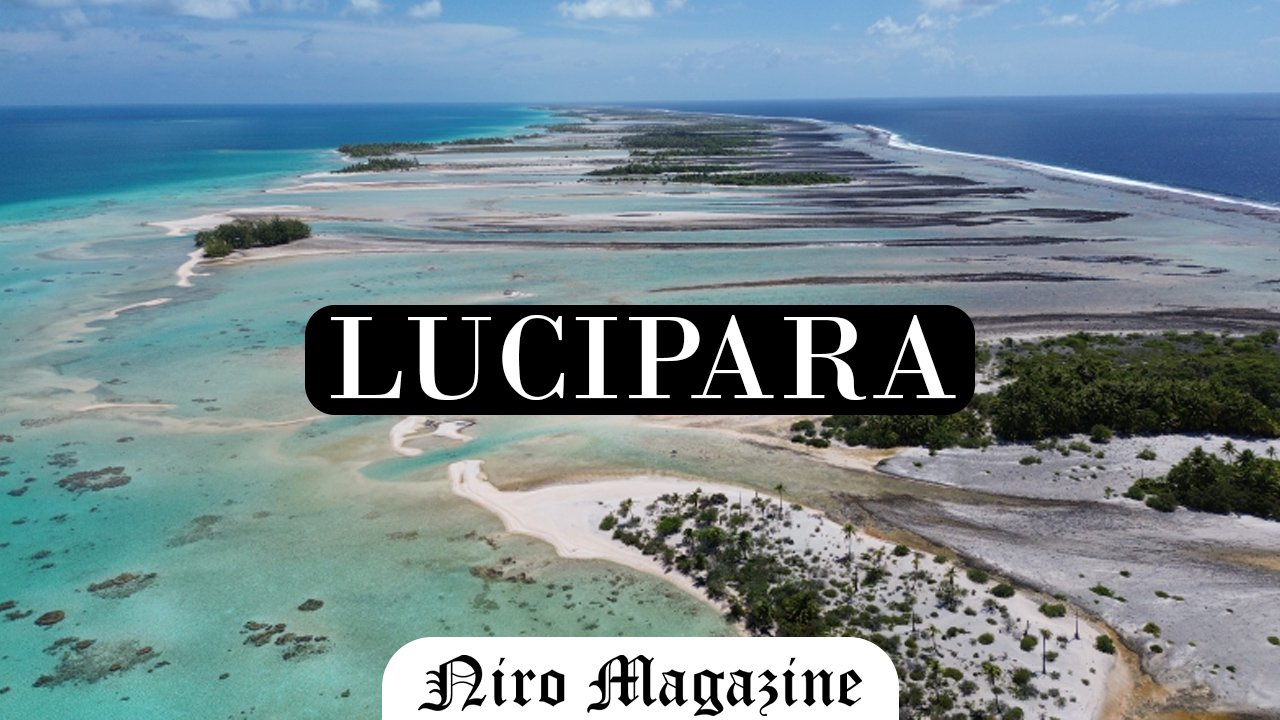
Lucipara is one of the least known island groups in Indonesia, tucked away in the open waters of the Banda Sea. Most travelers have never heard the name, yet the islands hold some of the healthiest coral reefs, largest turtle populations, and most dramatic underwater walls in the entire Coral Triangle. This guide explains where Lucipara is located, what makes it ecologically important, and what you need to know before planning a trip there.
Quick Facts About Lucipara Islands
| Detail | Information |
|---|---|
| Location | Banda Sea, Maluku Province, Indonesia |
| Coordinates | 5°29’39″S, 127°32’32″E |
| District | Seram Bagian Barat (West Seram) |
| Nearest city | Ambon, about 110 nautical miles away |
| Number of islands | Seven islets in two clusters |
| Main islands | Selatan, Karaungka, and Mai |
| Permanent population | None |
| Protected area size | 388,712.10 hectares |
| Access | Liveaboard dive boat only |
Where Are the Lucipara Islands Located?
The Lucipara Islands sit in a remote stretch of the Banda Sea, south of Seram Island and roughly 110 nautical miles from Ambon, the capital of Maluku Province. They lie near the Manipa Strait and not far from the Penyu Islands, which is why some maps and dive charts group the two areas together.
The islands form a coral atoll made up of seven small islets, split into two clusters. The Penyu Island Group includes Bingkudu, Kadola, and Mai, while the Maisel Island Group includes Maisel, Selatan, Karaungka, and Laponda. Selatan, Karaungka, and Mai count as the largest and most visited of the seven.
Because the atoll sits so far from any port, only a handful of boats travel there each year. This isolation is exactly what has kept the reefs, turtles, and fish populations in such good condition.
A Short History of Lucipara
The earliest written record of Lucipara comes from American diplomat Edmund Roberts, who passed through the area and documented the islands in his 1832 journal under the older spelling “Lucepara.” For most of the time since then, the islands stayed largely unnoticed by the outside world.
No one lives on Lucipara year round. A small number of families from Pulau Mai hold traditional harvesting rights and visit occasionally to collect coconuts from the atoll’s palm trees. Staff from the Ambon Navigation District also stop by every few months to maintain a lighthouse on the islands.
Interest in protecting Lucipara grew after the Maluku provincial government recognized its conservation value in 2018. That recognition set the stage for the marine protected area work that followed a few years later.
Marine Life and Biodiversity at Lucipara
Lucipara supports a level of marine biodiversity that few places in Indonesia can match. A four day survey led by the Coral Triangle Center recorded more than 1,100 turtles around the islands, mostly green turtles along with hawksbill and loggerhead turtles. That number alone places Lucipara among the most important turtle habitats in the Coral Triangle.
The reefs themselves range from lightly damaged to excellent condition, depending on the site, and support large populations of reef sharks, rays, groupers, and the rare Napoleon wrasse. Divers regularly report big schools of unicornfish, surgeonfish, jacks, barracuda, and tuna moving along the drop offs.
Beneath the surface, the seafloor around Lucipara includes seamounts, submarine canyons, and deep trenches that plunge to around 1,500 meters. These features attract large pelagic animals, including blue whales that have been observed feeding in the deep water near the islands. Researchers who tracked the whales’ blow patterns estimated that the animals were feeding at depths of about 300 meters, a sign of just how rich the food supply is in this part of the Banda Sea.
Above the waterline, the islands serve as breeding grounds for seabirds such as lesser frigatebirds and red footed boobies. These birds play a bigger role in the ecosystem than most visitors realize. The nutrients they bring back to the island from their ocean feeding trips wash into the surrounding reef, which helps explain why fish populations around Lucipara are so much higher than in nearby, less protected waters.
Marine Life You Might Encounter
- Green, hawksbill, and loggerhead turtles
- Reef sharks and rays
- Napoleon wrasse and large groupers
- Unicornfish, surgeonfish, and jacks in large schools
- Tuna and barracuda along the reef walls
- Blue whales feeding in deep offshore water
- Lesser frigatebirds and red footed boobies nesting on the islets
Climate and Best Time to Visit Lucipara
The Banda Sea follows a tropical monsoon pattern, which means the region shifts between wet and dry periods tied to the annual monsoon cycle. Strong winds and rougher seas tend to build up during the peak monsoon months, making boat travel to remote spots like Lucipara harder and less comfortable.
The calmest window for a trip usually falls during the two transition periods each year, roughly March through April and September through November. Sea conditions settle down during these months, currents become more predictable, and liveaboard operators schedule most of their Lucipara trips within this window. Travelers who plan around these dates give themselves the best chance of smooth crossings and clear underwater conditions.
Lucipara as a Marine Protected Area
Because of the wildlife described above, Lucipara has become the focus of a serious conservation effort. In April 2021, a team from the Coral Triangle Center began fieldwork to lay the groundwork for a formal marine protected area. Their survey confirmed the presence of thriving coral systems alongside real threats, including destructive fishing methods, marine debris, and natural pressures such as coral disease.
The protection effort now involves three main partners working together: the Maluku Marine Affairs and Fisheries Department, the Coral Triangle Center, and Yayasan Konservasi Alam Nusantara. These groups have built a seven part management framework and a roadmap that runs through 2028, with the goal of protecting the ecosystem while still allowing responsible, well managed economic activity for local communities.
The protected zone itself covers 388,712.10 hectares of ocean, making it one of the larger proposed marine protected areas in Maluku. Maluku Governor Hendrik Lewerissa has publicly supported turning Lucipara into a premier marine tourism destination, pointing to Tubbataha Reefs Natural Park in the Philippines as a model of how a remote, well protected reef system can benefit both nature and the local economy.
One of the biggest threats identified during the surveys is explosive fishing, a practice that destroys coral structures and kills far more marine life than it captures. Marine debris carried in by ocean currents is another ongoing concern, since the islands sit exposed to open water with no barrier to stop floating trash from washing ashore.
Diving in the Lucipara Islands
Divers who make the journey to Lucipara often describe it as a true expedition rather than a typical dive trip. The islands are only reachable by liveaboard vessel, and just a small number of boats currently include Lucipara on their routes, among them Neomi, Samambaia, Adelaar, and Manta X. Daily rates on these liveaboards generally range from about 395 to 574 US dollars, depending on the boat and season.
Water temperatures around Lucipara typically sit between 26 and 29 degrees Celsius, comfortable for most divers without heavy exposure protection. Visibility is often excellent, revealing dramatic wall dives that drop into deep blue water where pelagic species pass by regularly.
The best time to dive Lucipara falls during the transition seasons, mainly March through April and September through November, when sea conditions in the Banda Sea tend to be calmer. Because the currents can be strong and the location is so remote, this destination suits experienced divers more than beginners.
What to Expect on a Lucipara Dive Trip
- Access by liveaboard only, with no land based accommodation available
- Warm water in the range of 26 to 29 degrees Celsius
- Clear visibility and steep coral walls
- Regular sightings of sharks, turtles, and large schooling fish
- A real chance of encountering pelagic species such as tuna and barracuda
- Strong currents that call for solid diving experience
How to Visit the Lucipara Islands
Most trips to Lucipara begin in Ambon, the main gateway city in Maluku Province with regular flights from Jakarta and other major Indonesian cities. From Ambon, travelers board a liveaboard that covers the roughly 110 nautical mile journey to the islands, often combining Lucipara with stops at the nearby Penyu Islands or the Banda Islands to make the most of the trip.
Since no permanent settlement or facilities exist on Lucipara, everything needed for the trip, including food, water, and dive equipment, has to be brought along on the boat. Travelers should book well in advance, since only a few liveaboard operators run this route each year and cabins fill quickly during the best weather windows.
Anyone planning a visit should also check current travel advisories and confirm permit requirements with their liveaboard operator, since access to remote marine areas in Indonesia can change as conservation rules develop.
Packing for Lucipara takes a bit more planning than a typical dive holiday. Because the boat may spend several days away from any port, travelers should bring extra medication, sun protection, and any personal dive gear they rely on, since replacement shops are simply not an option once the trip starts. It also helps to confirm with the operator whether the itinerary includes stops at Seram Island or the Banda Islands, since many routes combine several destinations into one longer voyage to make the long crossing worthwhile.
Travel insurance that covers remote diving and emergency evacuation is worth arranging before departure. Given the distance from Ambon and the lack of any medical facilities on the islands, a well prepared traveler treats this trip more like a small expedition than a standard vacation.
Why the Lucipara Islands Matter
Lucipara shows what a healthy, largely undisturbed reef system can look like in a region where many coral areas have suffered from overfishing and pollution. The islands connect several ecological threads at once: nesting seabirds that feed the reef, turtles that use the beaches for nesting, and deep water canyons that draw in whales and large pelagic fish. Few places offer such a complete picture of how ocean life depends on the health of everything around it.
The push to formally protect Lucipara also matters beyond its own waters. If the marine protected area succeeds, it could serve as a working example for other remote reef systems across Indonesia, showing that conservation and local livelihoods can move forward together rather than working against each other.
Lucipara sits inside the Coral Triangle, a region that stretches across parts of Indonesia, the Philippines, Malaysia, and several Pacific nations and holds the highest coral and reef fish diversity found anywhere on Earth. Scientists often describe this region as the ocean’s equivalent of a rainforest, and small, isolated reef systems like Lucipara act as strongholds that can help repopulate damaged reefs elsewhere once currents carry coral larvae and fish eggs across the wider region. Protecting a site like Lucipara, in other words, has ripple effects that reach well beyond Maluku Province.
Conclusion
Lucipara remains one of Indonesia’s last true marine frontiers, a place where turtles outnumber tourists and coral reefs still thrive largely untouched by mass travel. From its record breaking turtle counts to its deep water canyons that attract blue whales, the islands offer a rare look at what the Banda Sea looked like before large scale fishing reached most of the region.
As conservation groups and the Maluku government continue building out the marine protected area, Lucipara has a real chance to become a model for responsible marine tourism in Indonesia. Whether you visit as a diver or simply follow the islands’ story from afar, Lucipara stands as a reminder of how much marine life can recover and flourish when a place is given the chance to stay wild.
Frequently Asked Questions
What is Lucipara?
Lucipara is a group of seven small, uninhabited islands in Indonesia’s Banda Sea, known for healthy coral reefs, large turtle populations, and rich marine life.
Where are the Lucipara Islands located?
The islands sit in Maluku Province, within the Seram Bagian Barat district, about 110 nautical miles south of Ambon in the Banda Sea.
Can you visit Lucipara Islands?
Yes, but only by liveaboard dive boat. There are no hotels, ferries, or land based accommodations on the islands themselves.
Is Lucipara good for diving?
Yes, Lucipara offers warm water, clear visibility, and steep reef walls, along with frequent sightings of sharks, turtles, and large schooling fish. Strong currents make it better suited to experienced divers.
Is Lucipara a protected area?
Lucipara is in the process of becoming an official marine protected area, with the Maluku government, the Coral Triangle Center, and Yayasan Konservasi Alam Nusantara working together on a management plan through 2028.