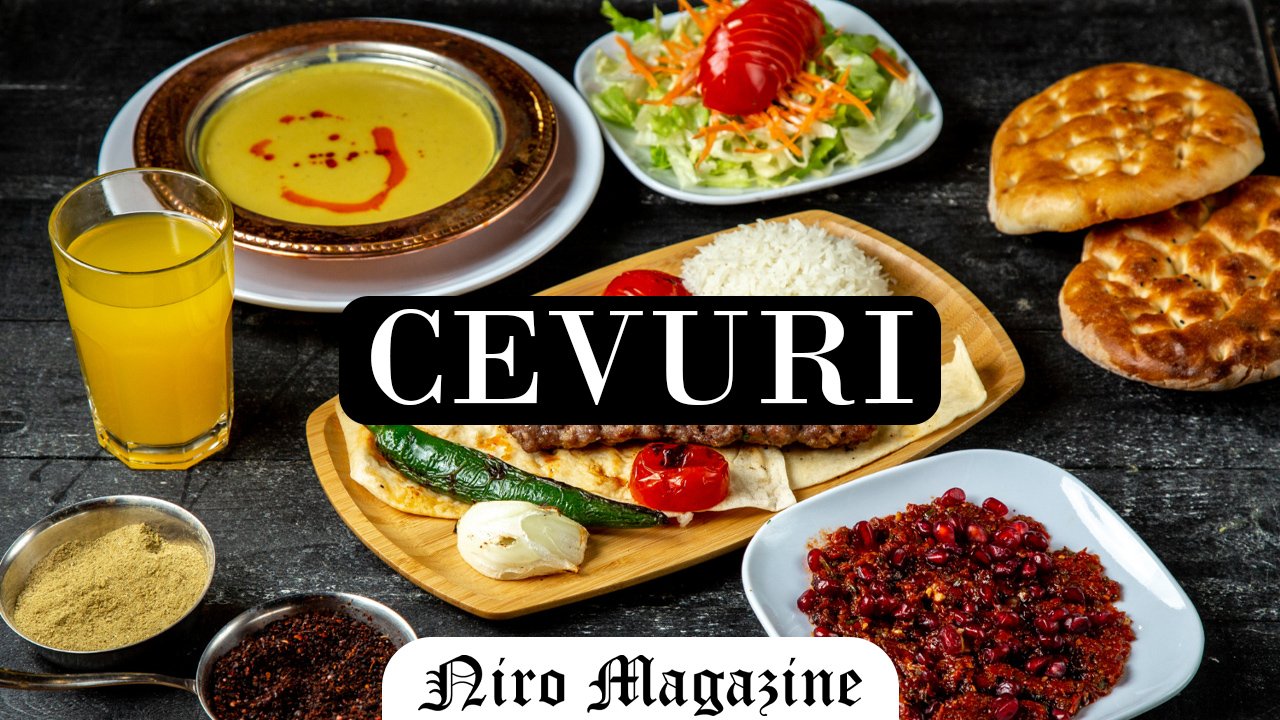
Cevurı is a word that a lot of people are typing into Google right now, yet almost nobody can explain where it comes from. You may have seen it on a blog, in a social post, or in a search suggestion, and wondered if it is a real word, a made up term, or a typo. This guide answers that question in plain language. It looks at every explanation currently floating around the internet, checks each one against real Turkish language sources, and tells you honestly what holds up and what does not.
By the end, you will understand what Cevurı most likely is, why so many articles about it appeared at once, and how to judge similar “trending word” content the next time it shows up in your search results.
What Is Cevurı?
Cevurı is not a word you will find in a standard dictionary. It does not appear in the Turkish Language Association dictionary, in Wiktionary, or in any major English or Turkish reference work. There is no Wikipedia page for it and no established academic source that defines it.
What you will find instead is a large group of blog posts, published mostly in 2025 and 2026, that all try to explain the word using different and sometimes contradicting stories. One article calls it a traditional Turkish dish. Another calls it a mysterious internet slang term. A third describes it as a “linguistic and cultural concept.” None of these articles link back to a dictionary, a news report, or an expert quote. That pattern is worth paying attention to, because it tells you a lot about how the word likely spread.
The most reasonable explanation, based on spelling and sound, is that Cevurı is a misspelling or an auto correct variation of a real Turkish word. Two candidates fit that pattern closely, and both are explained below.
Theory One: Cevurı as a Misspelling of Çeviri
The strongest candidate is çeviri, a common Turkish word that means “translation.” It comes from the verb çevirmek, which means “to turn” or “to translate.” Turkish speakers use çeviri constantly, whether they are talking about translating a document, a movie subtitle, or a conversation. You can confirm this meaning in any standard Turkish dictionary or on Wiktionary, where çeviri is listed with the definition “translation.”
Here is why the misspelling theory makes sense. Turkish uses several letters that do not exist on a standard English keyboard, including ç, ş, ğ, and the dotless ı. When someone types Turkish text on a device set to English, or when auto correct steps in, those special characters often get dropped, swapped, or duplicated. The letter ç can turn into a plain c, and vowels can shift depending on the keyboard’s auto suggestions. Under that kind of keyboard drift, çeviri could plausibly turn into Cevurı, especially if someone typed quickly on a phone.
If this theory is correct, then people searching for Cevurı may actually be looking for information about translation, translation tools, or translation mistakes, and the spelling simply got scrambled somewhere between typing and publishing.
Theory Two: Cevurı as a Variation of Çevirme
The second candidate is çevirme, a real word in Turkish cuisine. Çevirme refers to meat cooked on a rotating spit, the same cooking method that gives us döner kebab and similar rotisserie style dishes. The word again comes from çevirmek, “to turn,” because the meat literally turns over the heat source as it cooks. You can find çevirme listed in Turkish dictionaries and in food writing about Turkish rotisserie cooking.
This theory explains why a few sites describe Cevurı as a “traditional Turkish dish.” The spelling is close enough to çevirme that a writer unfamiliar with Turkish, or a translation tool, could easily confuse the two. However, none of the food focused articles about Cevurı cite a named region, a historical record, or a recognized culinary source. A genuine regional dish usually has a documented history, a specific area of origin, and consistent recipes across multiple independent sources. The Cevurı food articles have none of that. They describe generic slow cooked meat and vegetables without pointing to where this dish supposedly comes from, which is a sign that the “traditional dish” claim was invented rather than researched.
Why Is Cevurı Suddenly Everywhere Online?
If Cevurı is not an established word, why do so many articles about it exist? The answer likely has to do with how search trends get created and then chased.
Search platforms sometimes show rising or unusual search terms, including rare misspellings, typos, or auto complete suggestions that briefly attract curious searchers. Once a term like Cevurı shows even a small spike in searches, automated content tools and low effort blogs often rush to publish an explainer article, hoping to rank for that term before anyone else does. Because there is no real definition to report, these articles tend to invent one, borrow vague language from each other, and repeat similar phrases such as “cultural significance” or “digital phenomenon” without adding any actual research.
This creates a loop. More vague articles appear, which makes the term look more established than it actually is, which then draws in even more curious searchers and even more copycat articles. You end up with dozens of pages about a word that started as a probable typo.
This is not a rare event. Similar patterns have appeared around other odd spellings and nonsense phrases that briefly trended before fading away once people realized there was no real story behind them.
How Keyboard Differences Create Words Like Cevurı
It helps to understand exactly how a real word like çeviri can turn into something like Cevurı in the first place, because this happens more often than most people realize.
Turkish uses a version of the Latin alphabet with a few extra letters and one tricky detail that trips up a lot of software. Turkish has two separate letters for the sound English speakers think of as “i.” One is the dotted İ and i, and the other is the dotless I and ı. These two letters are not interchangeable in Turkish, but many English keyboards, apps, and auto correct systems do not recognize the dotless version at all. When someone types on a phone set to English, or copies text through a translation tool, the software often swaps the dotless ı for a regular i, drops the cedilla under the ç, or rearranges letters based on its own spelling guesses.
Voice typing adds another layer of confusion. A voice assistant that is not tuned for Turkish can easily mishear çeviri and produce a string of letters that sounds similar but is spelled differently, such as Cevurı. Once that mistyped version appears in a chat message, a caption, or a search bar, other people who see it may copy the spelling exactly as they saw it, not realizing it started as a technical glitch rather than a real word.
This kind of keyboard drift is a well documented issue in language technology, and it explains a large share of unusual spellings that show up in search data without any real linguistic history behind them.
What Dictionaries and Language Sources Actually Say
To be clear and honest with you, here is what a direct check of language sources shows.
Cevurı, spelled exactly this way, does not appear in the Turkish Language Association’s official dictionary. It does not appear in Wiktionary. It is not listed in major bilingual dictionaries such as Tureng or Cambridge Dictionary. No linguistic journal or language blog with real editorial standards has published research on it.
Çeviri, the translation related candidate, is fully documented. It appears in Wiktionary with a clear definition, and it is a word that any Turkish speaker recognizes instantly.
Çevirme, the food related candidate, is also documented. It appears in Wiktionary and in writing about Turkish cuisine, where it describes rotisserie cooked meat.
In short, Cevurı by itself has no independent, verified meaning. It most likely represents a distorted version of one of these two real Turkish words, and the exact one depends on the context where a person first encountered it.
How to Spot Unreliable “Word Meaning” Articles
Since this topic is a good example of the problem, it helps to know how to spot these low quality explainer articles in general, whether the word in question is Cevurı or something else entirely next month.
Watch for these warning signs.
The article gives a confident definition but never links to a dictionary, encyclopedia, or named expert.
Multiple articles on different sites use nearly identical phrasing, such as calling a word a “digital phenomenon” or a term with “cultural significance,” without explaining what that significance actually is.
The article claims a word is trending but gives no real numbers, no screenshot, and no source for that claim.
The site publishing the article has no clear focus. A yoga blog writing about a Turkish dish, or a legal blog writing about internet slang, is a sign the content exists purely to catch search traffic rather than to inform readers.
The article contradicts other articles about the same word, describing it as a food in one place and a slang term in another, without acknowledging the conflict.
If you see two or more of these signs, treat the definition as unverified until you can confirm it through an actual dictionary or a subject expert.
So What Does Cevurı Really Mean?
Based on everything above, here is the honest, direct answer. Cevurı is not a recognized word in Turkish or in English. It has no dictionary entry and no documented history. The most likely explanation is that it is a spelling error or auto correct variation of çeviri, the Turkish word for translation, or less likely, çevirme, the Turkish term for rotisserie cooked meat. The wave of articles defining Cevurı as a mysterious cultural concept or a traditional dish appears to be a case of writers filling a content gap rather than reporting an established fact.
If you came across Cevurı while researching Turkish language or Turkish food, the words you are probably actually looking for are çeviri and çevirme. Both are real, both are useful to know, and both will give you accurate results in a dictionary or a cookbook, unlike Cevurı itself.
Conclusion
Cevurı is a clear example of how a simple typo or keyboard slip can turn into an internet trend before anyone checks the facts. The word has no real dictionary meaning, but it closely resembles two genuine Turkish words, çeviri for translation and çevirme for rotisserie cooked meat. Understanding this helps explain why so many contradicting articles exist and why none of them point to a solid source.
The next time you come across a word that suddenly seems to be everywhere online, take a moment to check a real dictionary or language source before trusting the first explanation you read. It usually takes less than a minute, and it can save you from repeating information that was never actually true.
Frequently Asked Questions
Is Cevurı a real Turkish word?
No. Cevurı does not appear in the Turkish Language Association dictionary or in any major reference source. It is most likely a misspelling of a real Turkish word.
What Turkish word does Cevurı probably come from?
The closest match is çeviri, which means translation. A second possible match is çevirme, which refers to rotisserie cooked meat in Turkish cooking.
Why do so many websites have articles about Cevurı?
The term likely showed up as a rare or trending search query, and many content sites rushed to publish explainer articles to capture that traffic, often without real research behind them.
Is Cevurı a traditional Turkish dish?
There is no verified evidence of this. No article making this claim names a region, a historical source, or a recognized culinary reference, which suggests the claim was invented rather than researched.
How can I find the correct meaning of a Turkish word?
Check an established source such as the Turkish Language Association dictionary, Wiktionary, or a well known bilingual dictionary like Tureng or Cambridge Dictionary, rather than relying on a single blog post.